


When it comes to honing your European Roulette skills in the UK, understanding the game’s fundamentals is just the start. You’ll want to explore effective strategies that can shift the odds in your favor while engaging in practice scenarios that simulate real-life play. As you progress, learning from those who’ve been in the field can provide priceless insights. So, how do you foster that confidence and refine your technique for consistent success?
Key Takeaways
- Utilize online simulations for safe practice sessions to boost your European Roulette skills and strategies.
- Organize peer mock games to formulate strategies and receive helpful feedback in a casual environment.
- Explore time-limited challenges to improve quick decision-making and adjust strategies under pressure.
- Join local gaming communities or forums to share experiences and learn from experienced players’ techniques.
- Maintain a practice routine, assessing decisions after each session to identify mistakes and refine your approach efficiently.
Understanding the Basics of European Roulette

European Roulette is a classic casino game that offers an thrilling mix of chance and strategy. You’ll find a spinning wheel featuring numbers from 0 to 36, colored red or black, with a single green 0. Your goal is simple: predict where the ball will land after the wheel stops spinning.
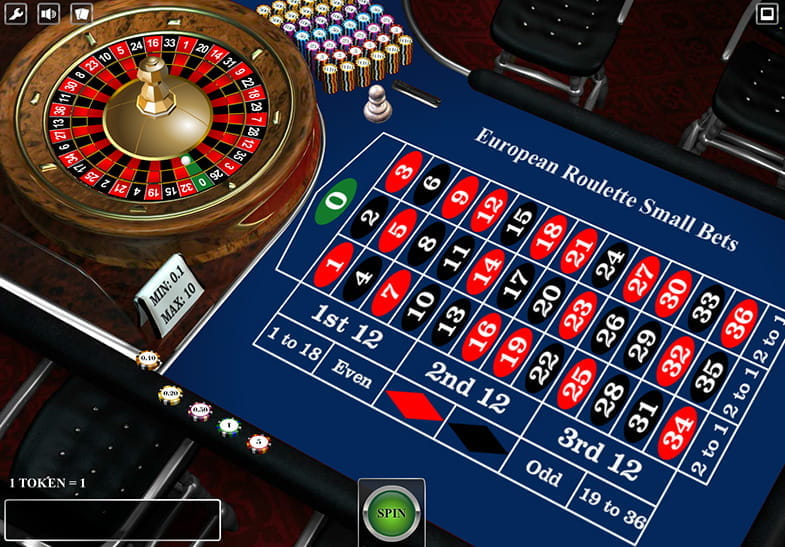
You can place various types of bets, including betting on specific numbers, colors, or groups of numbers. The game’s excitement increases as you place your bets and watch the wheel spin.
With a lower house edge than American Roulette, European Roulette presents better odds for players. Understanding how to read the table and the layout augments your experience, making you feel more assured and engaged during each spin.
Essential Strategies for Winning at European Roulette
Knowing the basics of European Roulette prepares you for a more calculated method to the game. Commence by centering on outside bets like red or black or odd/even, which offer nearly 50% winning probability.
Restrict your bets to a portion of your budget, guaranteeing you can play longer and manage losing streaks. Think about using a betting system, such as the Martingale system, but be mindful of its risks.
Invariably set win and loss limits to secure your earnings and reduce losses. Be attentive to the pace of the game; a relaxed attitude assists in making better decisions.
Lastly, keep in mind to savor the moment—roulette’s about fun and not just financial gain. Implement these tactics, and you’ll boost your likelihood of winning at the game.
Engaging Learning Techniques and Practice Situations
To successfully boost your abilities in European Roulette, contemplate utilizing engaging training methods and realistic practice situations that replicate the real game.
These methods not only increase your confidence but also improve your ability to make decisions. Here are four efficient techniques to consider:
- Online Simulators
- Session Reviews
- Mock Games with Friends
- Time-Limited Challenges
Welcome these techniques to elevate your skills while having fun!
Learning From Seasoned Participants: Guidance and Insights
While trying to enhance your abilities in European Roulette, acquiring insights from seasoned players can offer valuable observations.
Pay heed to their strategies; many accomplished players focus on specific betting methods or bankroll management approaches. Don’t be reluctant to ask inquiries—most experienced players are eager to share what’s worked for them.
Observing their gameplay can uncover subtleties you might overlook on your own, such as timing your bets or comprehending table dynamics. Keep a journal of what you learn, both from their achievements and mistakes. This can help you improve your strategy and prevent pitfalls.
Lastly, remember that every player has a distinct style; adjust what you learn to fit your own game rather than copying others outright.
Building Your Confidence: Practice Makes Perfect
Building your confidence in European Roulette starts with consistent practice. The more you play, the more familiar you’ll become with the game’s intricacies and strategies.
Here’s how to improve your skills:
- Play Free Games
- Set a Routine
- Analyze Your Play
- Join a Community
Frequently Asked Questions
What Is the House Edge in European Roulette?
The house edge in European roulette is 2.7%. This means for every bet you place, the casino keeps 2.7% on average. Knowing this can help you make smarter gaming decisions in the long run.
How Much Money Should I Start With?
You should start with an sum you’re at ease risking, ideally around 50 to 100 units. This allocation lets you play without pressure and helps you manage your bankroll efficiently while enjoying the game.
Can I Play European Roulette Online?
Yes, you can play European roulette online. Many trustworthy casinos offer this game. Just make sure you’re using a authorized site, and ensure to look for bonuses or free play options before you start.
Are There Any Legal Age Restrictions for Playing?
Yes, there are legal age restrictions for playing. You must be at least 18 years old in most jurisdictions. Check your local laws to ensure you’re eligible before you start playing online or in-person.
How Do I Track My Betting Progress Effectively?
You can track your betting progress efficiently by maintaining a detailed log of each bet you make, Game European Roulette, including wins and losses. Consistently reviewing this log helps you study patterns and modify your strategy accordingly.
Conclusion
In conclusion, becoming proficient in European Roulette takes dedication and practice. By focusing on the basics, employing smart strategies, and utilizing engaging training techniques, you can considerably enhance your skills. Don’t neglect to gain knowledge from experienced players and exchange insights within your community. Most importantly, maintain a composed mindset and practice consistently; this will build your confidence and improve your decision-making during gameplay. With persistence, you’ll be well on your way to becoming a proficient player.